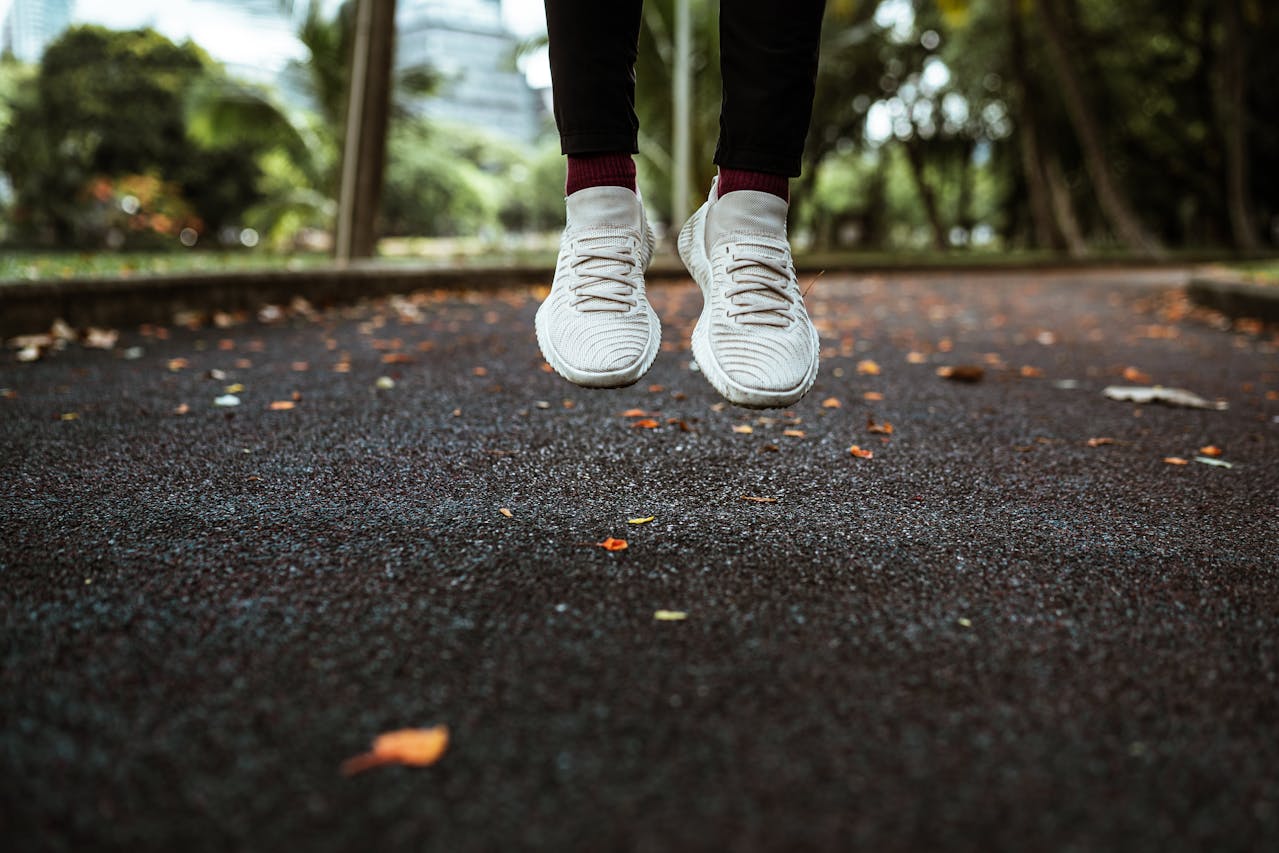
Trail running is an exhilarating way to connect with nature, challenge your limits, and escape the monotony of road running. However, uneven terrain, rocks, roots, and varying weather can turn a great run into a painful one if your feet aren’t properly protected. That’s where the best trail running crew socks come in. Crew-length socks, sitting below the calf, offer the perfect balance of coverage, protection from debris, and breathability – making them a top choice for trail enthusiasts.
In this guide, we’ll explore how to choose the ideal trail running crew socks, focusing on compatibility with your shoes and features that ensure blister-free runs. We’ll highlight why SOCKSLEY athletic crew socks stand out as a preferred option for many runners tackling diverse trails.
For trail running shoes – often low to mid cut with aggressive lugs – crew socks pair perfectly. They prevent the shoe collar from rubbing directly on your skin and help maintain a secure fit inside wider or more cushioned trail models.
Why Crew Socks Are Ideal for Trail Running
Crew socks provide optimal ankle coverage without restricting movement, unlike shorter no-show styles that let dirt and pebbles sneak in or taller options that can feel bulky in warmer conditions. They shield your skin from brush, ticks, and trail debris while offering support during technical descents and climbs.
For trail running shoes – often low to mid cut with aggressive lugs – crew socks pair perfectly. They prevent the shoe collar from rubbing directly on your skin and help maintain a secure fit inside wider or more cushioned trail models.
Key Features to Look for in Trail Running Crew Socks
Choosing the right socks involves considering several factors to match your shoes, foot shape, and running style. Here’s what matters most:
1. Material and Moisture Management
Avoid 100% cotton, which retains moisture and leads to blisters. Opt for blends with synthetic fibres or high cotton content balanced with wicking properties. Moisture-absorbent materials keep feet dry, reducing friction.
SOCKSLEY athletic crew socks feature a composition of 80% cotton, 15% polyamide, and 5% elastane – delivering natural comfort with excellent moisture absorption and durability.
2. Cushioning and Reinforcement
Trail running demands impact absorption on rocky paths. Look for reinforced heel and toe areas, plus thickened soles for vibration dampening.
SOCKSLEY excels here with reinforced heel & toe for abrasion resistance and a reinforced thickened sole that absorbs shocks, ideal for high-impact trails.
3. Breathability and Ventilation
Overheating leads to sweat and blisters. Mid-foot ventilation zones are crucial for heat dissipation.
The mid-foot ventilation zone in SOCKSLEY socks ensures superior breathability, keeping feet cool on intense or warm runs.
Crew height (below calf) works best with most trail shoes, offering debris protection without overheating. Ensure the sock’s thickness complements your shoe’s volume – thicker for roomier fits, thinner for snug racing models.
4. Fit and Anti-Slip Features
Socks that bunch or slip cause hot spots. Arch support, ribbed welts, and mid-foot bands prevent movement.
SOCKSLEY’s ribbed athletic welt and mid-foot band/tensioner provide a snug, secure fit that won’t twist or roll, even during HIIT-like trail efforts.
5. Seamless Construction for Blister Prevention
Irritation from seams is a common blister culprit, especially at the toes.
SOCKSLEY incorporates a flat toe seam to eliminate friction, promoting all-day comfort.
6. Height and Shoe Compatibility
Crew height (below calf) works best with most trail shoes, offering debris protection without overheating. Ensure the sock’s thickness complements your shoe’s volume – thicker for roomier fits, thinner for snug racing models.
SOCKSLEY’s crew length provides optimal coverage for running, hiking, or cycling across varied terrains.
How to Pair Socks with Your Trail Running Shoes
Shoe-sock compatibility is key to blister-free performance:
- Low-volume, snug shoes (e.g., racing flats): Choose thinner socks to avoid crowding.
- Cushioned, high-volume trail shoes (e.g., Hoka or Altra): Thicker cushioning like SOCKSLEY’s reinforced sole adds comfort without tightness.
- Wide toe-box shoes: Socks with good stretch and flat seams prevent pinching.
- Gaiter-compatible setups: Crew height seals gaps, keeping sand out.
Always try socks with your shoes—walk or jog to check for slippage or pressure points.
Tips for Blister-Free Trail Runs
Even the best socks can’t prevent blisters alone. Combine them with these practices:
- Break in new shoes gradually.
- Use anti-chafing balm on hot spots.
- Keep feet dry – change socks on ultra-long runs.
- Trim toenails and moisturize feet regularly.
- Wash socks properly: SOCKSLEY recommends machine wash at 40°C, inside out, no ironing.
Why SOCKSLEY Athletic Crew Socks Are a Top Choice
In a market filled with merino wool and synthetic options, SOCKSLEY stands out for everyday trail runners seeking reliable, comfortable performance. Their thoughtful design – combining ventilation, reinforcement, secure fit, and seamless comfort – makes them versatile for men and women across Europe’s diverse landscapes, from muddy forests to rocky mountains.
Whether you’re training for an ultra or enjoying weekend trails, SOCKSLEY athletic crew socks deliver the support and protection needed for blister-free adventures.
Conclusion: Step Up Your Trail Game
Investing in the best trail running crew socks is one of the simplest ways to enhance your runs. Focus on features like reinforcement, ventilation, secure fit, and shoe compatibility to stay comfortable and blister-free.
SOCKSLEY athletic crew socks check all the boxes, offering premium features at an accessible level for dedicated trail runners. Lace up, hit the trails, and experience the difference quality socks make.